


Bringing home a new puppy is one of the most exciting moments in a pet lover’s life. Whether you’ve always wanted a dog or this is your first experience as a pet parent, it’s an adventure that requires a bit of preparation and understanding.
In this new puppy care guide, we’ll walk you through the essential steps to ensure your puppy has the best start in their new home. From the first day you bring them home to the crucial early training, these steps will set both you and your new pup up for success.
Step 1: Preparing Your Home for Your New Puppy
Before you bring your new puppy home, make sure your space is ready. Setting up a puppy-friendly environment is key to ensuring a smooth transition. Here’s a quick checklist of things to consider:
Puppy-proof Your Home
Just like a toddler, your new puppy will explore everything with their mouth. Make sure to remove any hazardous items or anything they could swallow or chew on that isn’t safe. This includes electrical cords, sharp objects, and plants that could be toxic to dogs.
Create a Safe Space for Your Puppy
Designate a specific area in your home for your puppy’s bed and crate. This area should be quiet and calm, where your pup can feel secure and rest. You’ll want to introduce them to this space early on so they can associate it with a sense of comfort and safety.
Step 2: The First Day with Your New Puppy
The first day can be a little overwhelming, both for you and your new puppy. It’s important to approach it with patience and understanding.
Introduce Your Puppy to Their New Home
When you first bring your puppy inside, give them a few minutes to explore. Allow them to sniff around and get comfortable with their new surroundings. Don’t overwhelm them with too many people or activities. Let them adjust at their own pace.
Meet Their Basic Needs
On the first day, focus on the basics: food, water, and bathroom breaks. Puppies may be nervous or excited, so they might not eat right away, but make sure fresh water is always available.
Step 3: Vaccinations and Health Care
One of the most important aspects of a new puppy care guide is ensuring that your puppy stays healthy. Puppies are vulnerable to various diseases, so it’s essential to start them on a proper vaccination schedule.
Setting Up a Vet Appointment
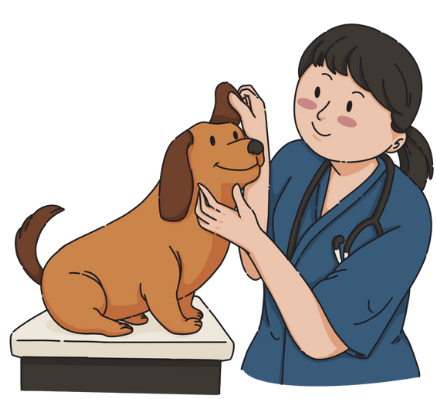
Schedule your first vet appointment soon after bringing your new puppy home. Your vet will give your puppy a thorough checkup and start the vaccination process. Puppies typically need a series of vaccinations over the first few months of their life to protect them from dangerous diseases like parvovirus and distemper.
Vaccination Schedule for Puppies:
Age | Vaccines |
6-8 Weeks | First set of vaccines (core vaccines) |
9-11 Weeks | Second set of vaccines |
12-16 Weeks | Third set of vaccines, rabies vaccine |
16 Weeks and Older | Booster shots, flea, tick, and heartworm prevention |
Regular Check-ups
After the initial rounds of vaccinations, it’s crucial to keep up with regular check-ups. These visits will not only help keep your puppy healthy but also give you the chance to ask the vet about any questions regarding diet, behavior, or general care.
Step 4: House Training Your New Puppy
One of the biggest challenges for first-time dog owners is house training. Luckily, with consistency and patience, you can teach your puppy to understand where and when they should go to the bathroom.
Establish a Routine
The key to house training is setting a regular routine. Puppies need to go outside often, usually every 2 to 4 hours, depending on their age. Take your puppy out first thing in the morning, after meals, after naps, and before bedtime.
Reward Good Behavior
When your puppy goes to the bathroom outside, make sure to praise them right away. This helps them understand that going outside is a good behavior. Positive reinforcement will encourage them to repeat the behavior.
Be Patient
It’s important to remember that accidents will happen. Don’t punish your puppy when they make a mistake. Instead, calmly clean up the mess and continue to reinforce the positive behavior with praise and rewards.
Step 5: Socialization for Your New Puppy
Socializing your puppy is one of the most important parts of their development. A well-socialized puppy grows into a well-rounded adult dog who is comfortable around people, other pets, and new experiences.
Introduce Your Puppy to New People
Start socializing your puppy early by introducing them to new people. This will help them become comfortable with different types of people, including children, seniors, and strangers. The more positive experiences they have, the more confident they will become.
Meet Other Dogs
Socializing with other dogs is just as important as meeting people. Arrange playdates with friendly, vaccinated dogs. These early interactions teach your puppy how to play properly and respect other dogs’ boundaries.
Expose Your Puppy to Different Environments
Take your puppy to different places, like parks, pet-friendly stores, or even on short car rides. This exposure will help them become comfortable with new sights, sounds, and smells, which is vital for their social development.
Step 6: Training Your New Puppy
Training your new puppy is essential to building a strong bond and ensuring they grow up to be a well-behaved dog. Start with basic commands and work your way up to more advanced training.
Basic Commands
Teach your puppy simple commands like “sit,” “stay,” and “come.” These commands form the foundation of good behavior and can be helpful in keeping your puppy safe.
Consistency is Key
Training requires consistency. Make sure everyone in the household uses the same commands and training techniques. This helps prevent confusion and speeds up the learning process for your puppy.
Step 7: Providing Mental and Physical Stimulation
A bored puppy is a mischief-maker, so it’s important to keep them mentally and physically stimulated. This will help prevent unwanted behaviors like chewing and excessive barking.
Daily Exercise
Puppies have a lot of energy, so make sure to provide them with daily physical exercise. Whether it’s a short walk or a game of fetch, physical activity helps burn off extra energy and keeps your puppy healthy.
Puzzle Toys and Training Games
Mental stimulation is just as important as physical activity. Invest in puzzle toys that challenge your puppy’s brain and help develop their problem-solving skills. Training games like hide-and-seek or interactive play can also keep their mind sharp.
Step 8: Building a Routine and Bonding with Your Puppy
Routine and structure are essential for both you and your puppy. Dogs thrive on predictability, and having a set routine helps them feel secure in their new environment.
Establish a Consistent Schedule
Your puppy will benefit from having a regular feeding, bathroom, and exercise schedule. This consistency helps them feel comfortable and know what to expect throughout the day.
Spend Quality Time Together
Bonding with your puppy is important for developing a trusting and loving relationship. Play with them, cuddle, and spend time getting to know their personality. This will make training and other tasks easier, as your puppy will respect and trust you as their leader.
Start Your Journey with Confidence!
Bringing home a new puppy is a big responsibility, but it’s also a rewarding experience that will bring joy to your life. By following this new puppy care guide, you’ll be well on your way to raising a happy, healthy, and well-behaved dog.
Remember, the first few months are all about building trust, setting routines, and teaching your puppy the basic skills they need to thrive in their new home. Vaccinations, house training, and socialization should be top priorities to ensure your puppy is safe and well-adjusted.
As a first-time dog owner, patience, consistency, and love will go a long way in making this journey a success.
Contact us today for expert guidance and tips on raising a healthy and happy puppy. Let’s start this adventure together!
Frequently Asked Questions (FAQs)
How soon should I start house training my new puppy?
It’s best to start house training as soon as you bring your new puppy home. Puppies can begin learning house training right away, so establish a consistent bathroom schedule to help them learn where to go.
What vaccinations does my puppy need?
Your puppy will need a series of core vaccinations, including those for parvovirus, distemper, and rabies. Consult your vet for a vaccination schedule tailored to your puppy’s age and health.
When can I start socializing with my new puppy?
Start socializing your puppy as early as possible. The first 16 weeks of a puppy’s life are crucial for social development. Introduce them to new people, environments, and well-behaved dogs to help them become well-adjusted.
How can I stop my puppy from chewing everything?
Puppies chew as a natural behavior to explore their world. Provide plenty of chew toys, give them exercise and mental stimulation, and redirect their chewing to appropriate items when needed.
How often should I take my puppy to the vet?
Your new puppy will need a vet check-up soon after you bring them home. Follow up with vaccinations and regular vet visits every few months until your puppy reaches adulthood, then annual check-ups are typically recommended.