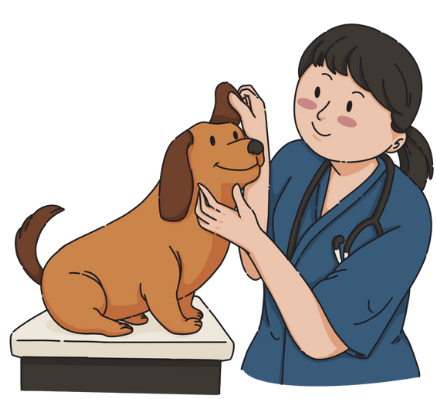



A comprehensive dog exam is one of the most important steps dog owners can take to protect their pet’s long-term health. These exams provide a detailed evaluation of your dog’s physical condition, behavior, and overall wellness while focusing on prevention and early detection.
Scheduling a routine comprehensive dog exam helps dog owners understand their pet’s current health and address concerns before they become more serious.
Dogs cannot communicate discomfort clearly, which is why regular veterinary exams play a key role in identifying health changes early. Whether your dog is young, adult, or senior, comprehensive exams support proactive care and peace of mind.
Understanding a Comprehensive Dog Exam
A comprehensive dog exam is a detailed health evaluation performed by a veterinarian. Unlike brief checkups, it assesses multiple aspects of your dog’s health in one visit. The goal is to establish a baseline and monitor changes over time.
These exams help veterinarians understand how a dog’s lifestyle, age, and breed influence health needs. They also allow dog owners to ask questions and receive guidance tailored to their pet.
Comprehensive exams are designed to support prevention rather than reaction.
What Is a Comprehensive Dog Exam
A comprehensive dog exam includes a full physical evaluation along with a review of behavior, nutrition, and daily habits. It focuses on identifying potential concerns early.
How It Differs From Basic Checkups
Basic checkups may focus on a single concern, while comprehensive exams review the dog’s overall health from head to tail.
Why Comprehensive Dog Exams Are Important
Comprehensive dog exams help protect dogs from preventable health issues. By identifying subtle changes early, veterinarians can guide owners toward timely care and lifestyle adjustments.
Early detection supports better outcomes and helps maintain comfort and mobility. These exams also support consistent health tracking over time.
For dog owners, comprehensive exams provide reassurance and clarity about their pet’s well-being.
Preventive Benefits of Regular Exams
Routine exams help identify risks before they become serious health concerns.
Long-Term Health Protection for Dogs
Ongoing monitoring allows veterinarians to adapt care plans as dogs age.
What’s Included in a Full Pet Exam
A full pet exam evaluates your dog’s health from nose to tail. Veterinarians assess physical condition, posture, and overall appearance to identify potential concerns.
This evaluation helps ensure all major systems are functioning well. It also provides an opportunity to discuss daily routines and habits.
Full pet exams offer a complete picture of your dog’s health.
Physical Health Assessment
Veterinarians check eyes, ears, teeth, skin, coat, joints, and body condition during the exam.
Behavior and Lifestyle Review
Discussions about diet, activity, and behavior help tailor care recommendations.
Dog Health Screening and Early Detection
Dog health screening is a critical part of a comprehensive exam. Screening helps identify subtle changes that may not be obvious at home.
These evaluations support early detection and allow veterinarians to guide owners on next steps. Early action often supports better comfort and quality of life.
Screening also helps track health trends over time.
Purpose of Dog Health Screening
Health screenings identify early signs of changes that may require monitoring.
Common Indicators Evaluated
Veterinarians assess movement, weight changes, and physical responses.
Annual Dog Wellness Exams and Preventive Care
An annual dog wellness exam supports consistency in veterinary care. These visits allow veterinarians to compare current findings with past exams.
Preventive care focuses on maintaining health rather than addressing illness after it occurs. Annual exams support proactive planning.
Regular visits also strengthen the relationship between dog owners and veterinary teams.
Goals of an Annual Dog Wellness Exam
Annual exams help establish patterns and detect changes early.
Preventive Care Guidance
Veterinarians offer advice on nutrition, activity, and daily care routines.
How Comprehensive Exams Support Dogs at Every Life Stage
Dogs have different health needs at each stage of life. Comprehensive exams help veterinarians adapt care plans as dogs grow and age.
Puppies benefit from growth monitoring, while adult dogs receive maintenance care. Senior dogs require closer monitoring for comfort and mobility.
Life stage-focused care supports long-term wellness.
Care for Puppies and Adult Dogs
Early and adult care focuses on developing and maintaining health.
Monitoring Health in Senior Dogs
Senior exams emphasize comfort, movement, and overall quality of life.
What Dog Owners Should Expect During an Exam
Understanding what happens during a comprehensive dog exam helps reduce stress. Most exams follow a structured and calm process.
Veterinarians begin with a discussion about your dog’s behavior and routine. A physical exam follows to assess overall condition.
Clear communication ensures dog owners feel informed and involved.
Exam Flow and Evaluation Process
The exam includes observation, hands-on assessment, and discussion.
Communication With Dog Owners
Veterinarians explain findings and answer questions clearly.
Preparing Your Dog for a Comprehensive Exam
Preparation helps exams go smoothly for dogs and owners. Simple steps before the visit can improve comfort.
Dogs benefit from calm handling and familiarity with routine activities. Owners can also prepare by noting any changes.
Prepared visits support efficient and effective exams.
Preparing Your Dog at Home
Gentle handling and positive reinforcement help dogs feel at ease.
Information to Bring
Owners may bring notes about behavior or recent changes.
Transparency in Veterinary Exams and Exam Breakdowns
Transparency helps dog owners feel confident about veterinary care. Understanding what is included in a comprehensive dog exam builds trust.
Veterinarians explain each part of the exam and share findings openly. This clarity helps owners participate actively in care decisions.
Transparency strengthens long-term care partnerships.
Clear Explanation of Exam Components
Veterinarians walk owners through the exam process.
Sharing Results and Recommendations
Findings are discussed in a clear and supportive way.
The Role of a Spring Valley Animal Hospital in Dog Wellness
A trusted Spring Valley animal hospital plays a vital role in supporting dog health through comprehensive exams and preventive care.
Local veterinary teams understand community needs and build lasting relationships with dogs and owners. Familiar environments also reduce stress for pets.
Community-based care supports consistency and comfort.
Benefits of Local Veterinary Care
Local hospitals provide accessible and personalized support.
Building Long-Term Veterinary Relationships
Ongoing visits strengthen trust and communication.
Building a Long-Term Health Plan Through Regular Exams
Comprehensive dog exams support the development of long-term health plans. Veterinarians use exam results to guide preventive strategies.
Plans evolve as dogs age and their needs change. Regular exams ensure care stays aligned with current health.
Long-term planning supports comfort and longevity.
Personalized Health Planning
Care plans are tailored to each dog’s lifestyle.
Monitoring Progress Over Time
Regular exams allow veterinarians to track changes.
Why Comprehensive Dog Exams Matter for Dog Owners
Dog owners benefit from clarity and confidence through comprehensive exams. Understanding what is included helps owners feel prepared and informed.
These exams also support proactive decision-making and long-term care planning.
Comprehensive exams strengthen the bond between dogs and their caregivers.
Conclusion: Protect Your Dog’s Health With a Comprehensive Dog Exam
A comprehensive dog exam provides valuable insight into your dog’s health and helps protect their well-being at every stage of life. Through full pet exams, dog health screening, and annual dog wellness visits, dog owners can stay proactive and informed.
Choosing consistent veterinary care supports early detection, transparency, and long-term health planning. If you are preparing for your dog’s next exam and want compassionate, professional support, contact us now to take the next step in caring for your dog’s health.
FAQ
What is included in a comprehensive dog exam?
A comprehensive dog exam includes a full physical evaluation, behavior review, and preventive care guidance.
How often should dogs have comprehensive exams?
Veterinarians recommend regular exams based on age, lifestyle, and health needs.
Why are dog health screenings important?
Health screenings help detect early changes and support proactive care.
How can I prepare my dog for an exam?
Prepare by observing behavior, staying calm, and bringing any relevant notes.